We don’t often think about staff meetings as a training ground, but they are. Granted, they exist at a very basic level (only lower level would be OJT, or on-the-job training, considered one of the best training environments), but few situations allow you to have so many company subject matter experts and leaders in the …
Professional Development/
Leadership Skills
How to Start Your Private Peer Coaching Group
Introduction Purpose of This Information The following information and resources are focused on the most important guidelines and materials for you to develop a basic, practical, and successful PCG. The information is intended for anyone, although it helps if you have at least some basic experience in working with groups. All aspects of this offering …


Is it time to strengthen your supervisory muscles? Here are insights from years of working with managers, teams, and new leaders on the realities of supervision. For some of you it may be “old hat”; for others an “ah’ha”. In either case, know that the moment you start taking things for granted, you stop being …

You know that when change is upon you, you will be letting go of ideas, behavior, perhaps functions, structures, roles, authority, and even titles. Poised on the brink of change we are overcome by loss and the uncertainty of what we might be asked to give up. At this moment leaders need to focus the …

Effective supervisors have more than a title on their doors. They also have the trust and confidence of those on their team. Personal credibility is the working asset in every relationship, both personal and business. People have credibility with each other or they don’t. When they do, work gets done, goals are met, and extraordinary …
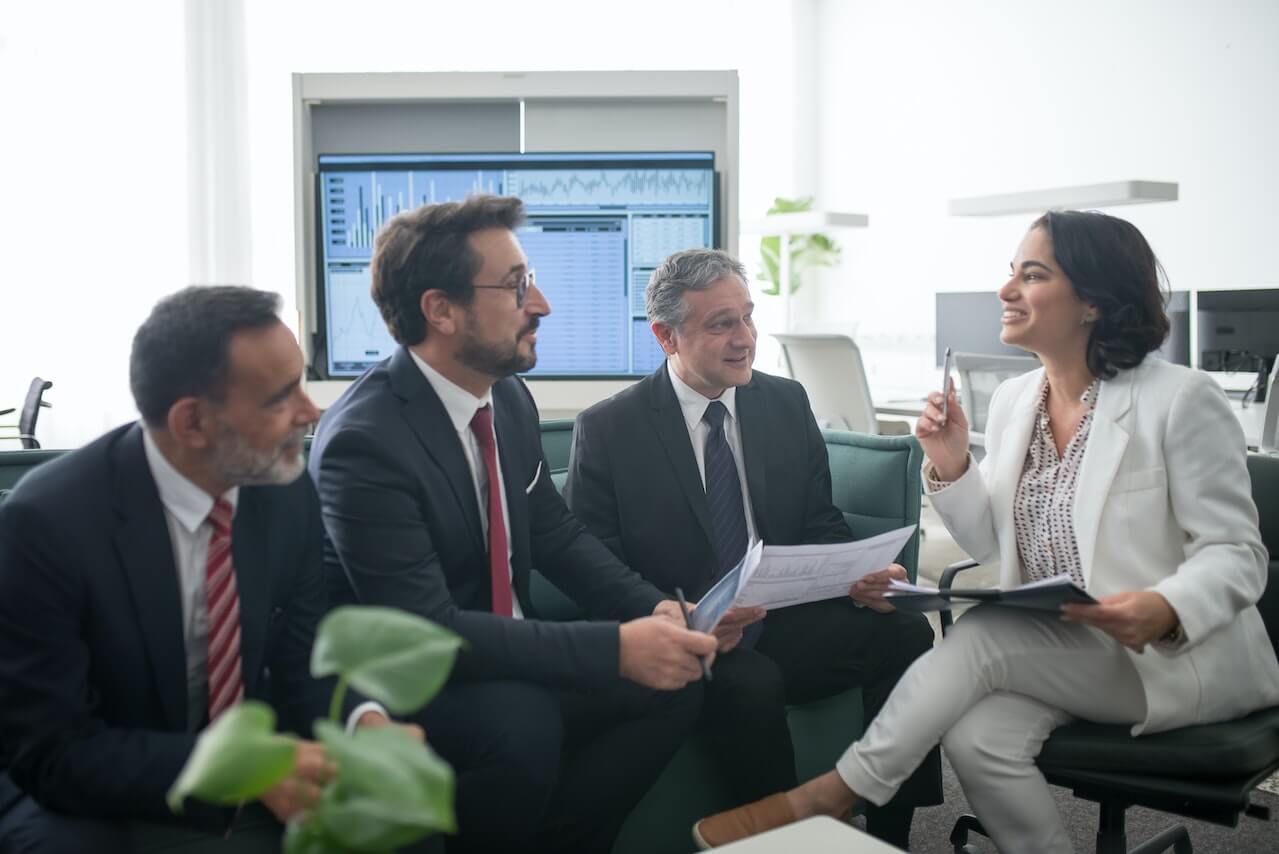
In a recent coaching conversation, my client wanted to work on “how to have more influence in his organization.” He felt that he was being overlooked for opportunities. He wanted to influence others more effectively in order to advance in his leadership coaching tips role. Here are some ways to influence others in the workplace …

We talk about change as a process, but it is also the emergence of a new system from within the existing system. This systemic evolution occurs when we are unable to incorporate environmental discontinuities into the current Status Quo. As organizational Adaptive Strain increases, a cycle of change is induced. “How are we going to …

The attitude “I don’t give a rip about my job” happens every single day. Employees get this way when they are bored with their job, feel like a faceless cog in a big wheel, or don’t know how “what they do” specifically contributes to the goals of their department or business unit. So what causes …